
Horton Plains Visitor Center: Everything You Should Explore Before Starting the Hike
Every year, thousands of travelers arrive at Horton Plains National Park with one goal in mind—to reach the breathtaking cliffs of World’s End before the morning mist obscures the view. Eager to begin the famous circular trail, many visitors walk straight past one of the park’s most informative attractions without giving it a second glance.
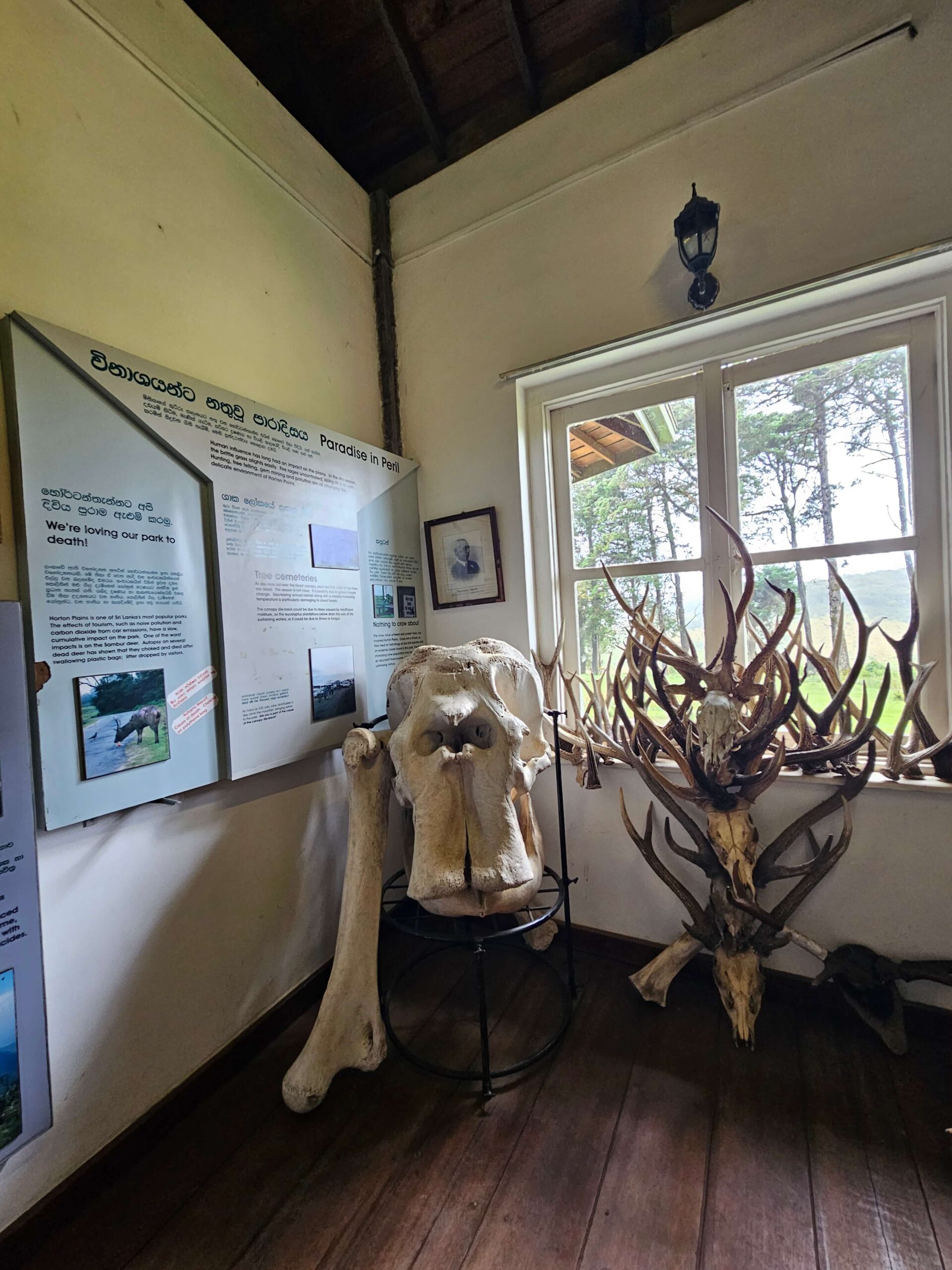
The Horton Plains Visitor Center is far more than just a building near the entrance. It is an introduction to everything that makes this unique plateau one of Sri Lanka’s most treasured natural landscapes. Before you set foot on the trail, the center offers a fascinating glimpse into the wildlife, cloud forests, endemic plants, rare birds, and delicate ecosystems that you’ll encounter throughout your journey.
Spending just fifteen or twenty minutes here can completely change the way you experience Horton Plains. Instead of simply walking through a beautiful landscape, you’ll understand why these grasslands remain covered in mist, how three of Sri Lanka’s major rivers begin their journey here, and why this national park is recognized as part of the UNESCO Central Highlands World Heritage Site.
What You’ll Find Inside the Horton Plains Visitor Center
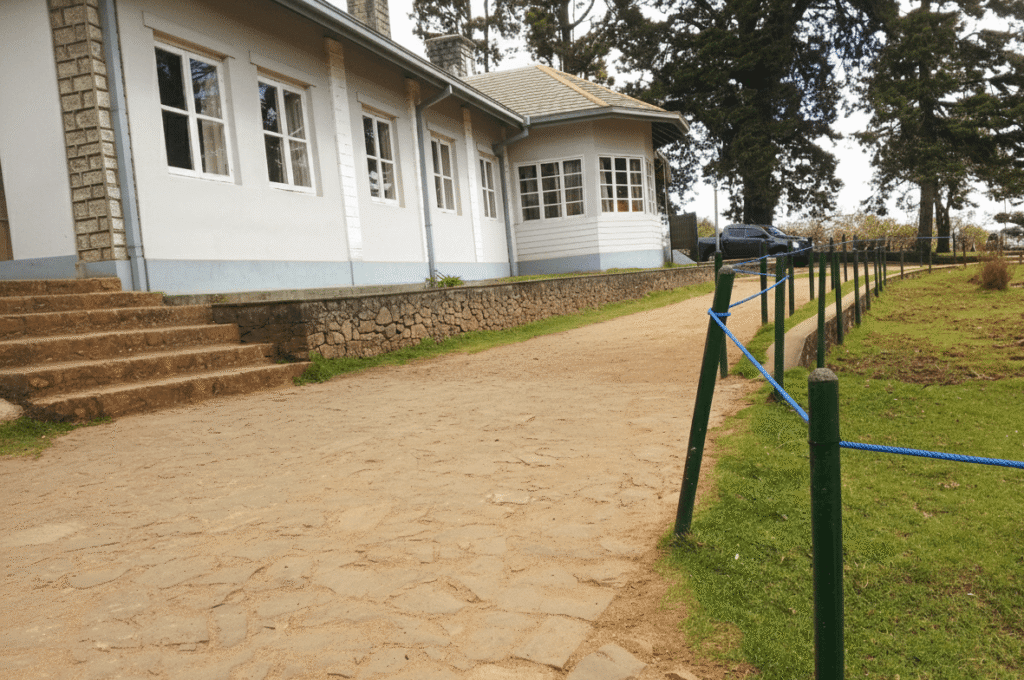
Although the Horton Plains Visitor Center isn’t particularly large, every corner has been thoughtfully designed to help visitors understand the remarkable environment they’re about to explore. Rather than functioning as a traditional museum, it serves as an educational hub where nature, science, and conservation come together under one roof.
Many travelers are surprised by how much they learn in such a short visit. By the time you leave, you’ll have a much deeper appreciation for the landscapes, wildlife, and delicate ecosystems that make Horton Plains unlike anywhere else in Sri Lanka.
For families traveling with children, the Visitor Center serves as an excellent educational stop. Interactive displays, photographs, preserved specimens, and informative panels make it easier for younger visitors to understand the importance of protecting Sri Lanka’s natural heritage.
Let’s take a closer look at what you can expect inside.
The Fascinating History of Farr Inn
Before becoming the Horton Plains Visitor Center, this historic building was known as Farr Inn. Built in 1901 by the English planter Thomas Farr, it originally served as a mountain residence where visitors and hunters could stay while exploring the remote highlands.
At a time when reaching Horton Plains required long journeys on horseback or on foot, Farr Inn became an important resting place for explorers, planters, and naturalists. Over the decades, the building witnessed the transformation of Horton Plains from a colonial hunting ground into one of Sri Lanka’s most valuable protected national parks.
Rather than replacing the historic structure, the Department of Wildlife Conservation preserved it and adapted it into the Visitor Center that welcomes thousands of visitors every year. Today, walking through its doors offers not only an introduction to the park but also a connection to more than a century of Horton Plains history.
Discover the Incredible Wildlife of Horton Plains
One of the highlights of the Visitor Center is its collection of exhibits showcasing the diverse wildlife that calls Horton Plains National Park home. Through informative display panels, photographs, and preserved specimens, visitors can become familiar with many of the animals they may encounter during their hike.
The undisputed star of Horton Plains is the Sri Lankan Sambar Deer. These gentle giants are frequently seen grazing along the roadside, wandering through the grasslands, or resting near the Visitor Center itself. Because they have become accustomed to seeing people, they often allow visitors to observe them from a comfortable distance. Even so, it’s important to remember that they remain wild animals and should never be approached or fed.
Another fascinating resident is the elusive Sri Lankan Leopard. Although sightings are extremely rare due to its secretive nature, the Visitor Center explains the leopard’s role as the park’s apex predator and highlights the ongoing efforts to protect this endangered species.
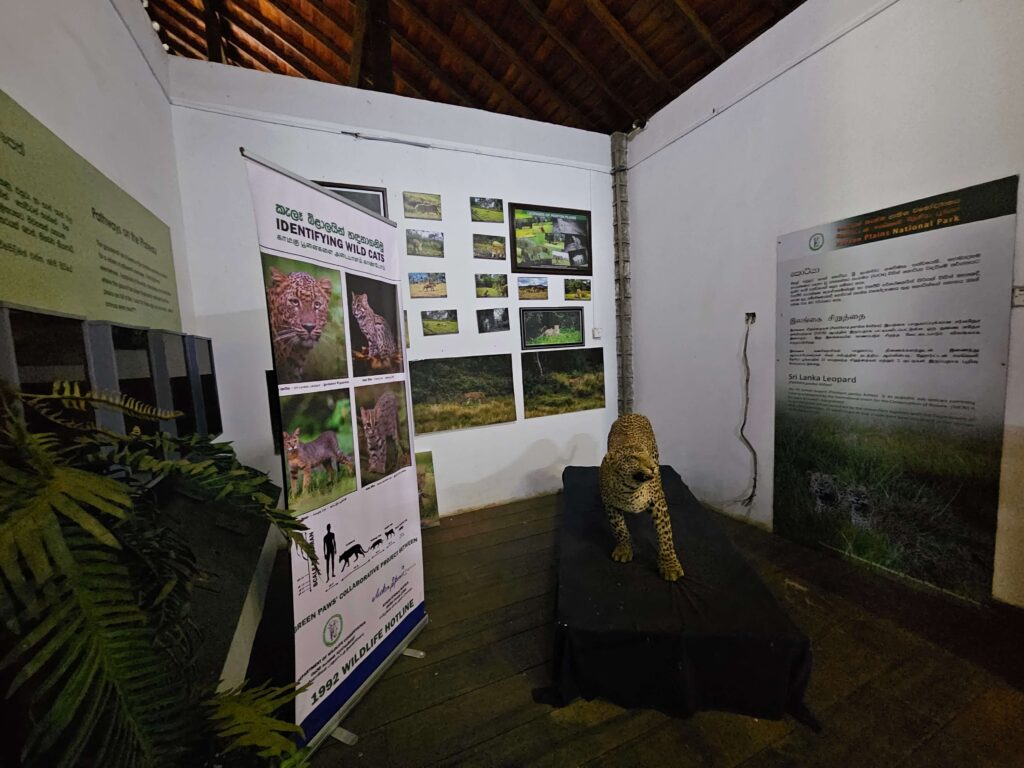
You’ll also learn about several smaller mammals that quietly inhabit the forests, including the Purple-faced Langur, Giant Squirrel, Fishing Cat, Wild Boar, and several species of civets. Most visitors never spot these animals during a single visit, making the exhibits an excellent opportunity to become familiar with the park’s hidden inhabitants.
Bird enthusiasts will appreciate the displays dedicated to Horton Plains’ rich birdlife. The park is home to numerous endemic species found only in Sri Lanka, including colourful forest birds that thrive within the cool montane cloud forests. Identification guides help visitors recognize these species while exploring the trails.
One of the most valuable aspects of these exhibits is the emphasis on conservation. Rather than simply introducing the animals, the Visitor Center explains the challenges they face, from habitat loss to climate change, encouraging visitors to play their part in protecting this fragile ecosystem.
The Elephant Skeleton That Tells a Forgotten Story
Among the most thought-provoking exhibits inside the Visitor Center is the skeleton of a Sri Lankan elephant. While many visitors stop to admire its impressive size, the display represents something far more significant than a museum exhibit.
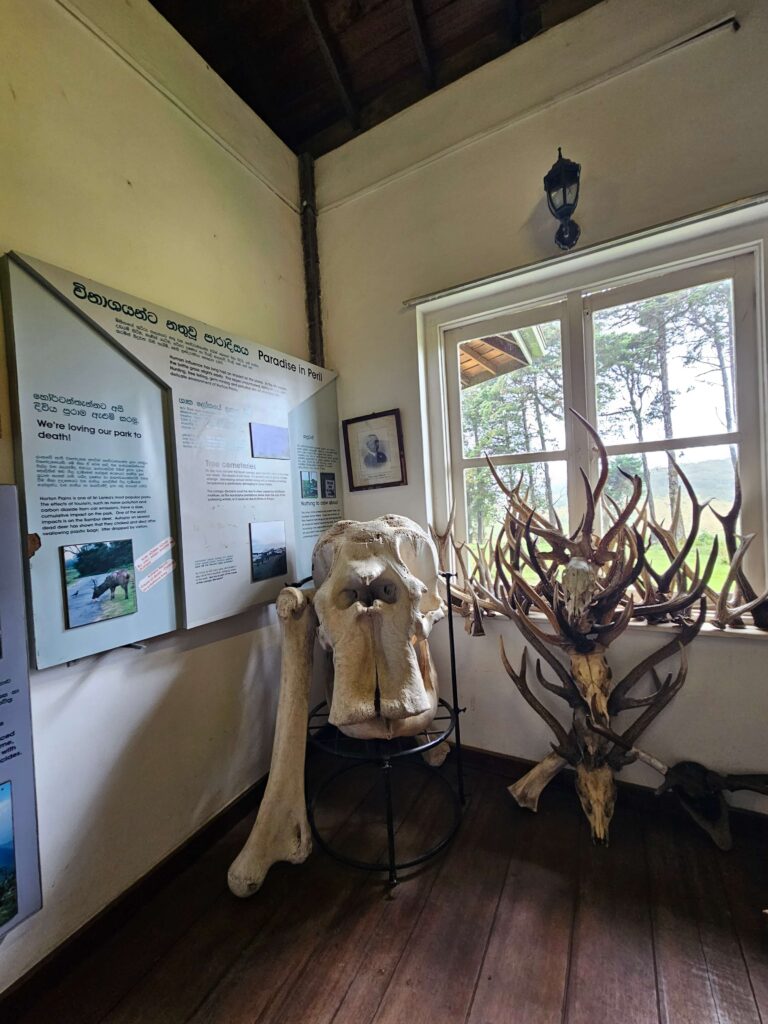
Horton Plains was once home to herds of wild elephants that roamed its grasslands and forests. During the British colonial period, however, the plateau became a popular destination for recreational hunting. Elephants, sambars, wild boars, and other wildlife were frequently hunted for sport, eventually leading to the complete disappearance of elephants from Horton Plains.
Today, the preserved skeleton serves as a powerful reminder of the importance of wildlife conservation. It encourages visitors to reflect on how human actions can permanently alter an ecosystem and why protecting Sri Lanka’s remaining wildlife is more important than ever.
Learn About the Unique Cloud Forest Ecosystem
Few places in Sri Lanka possess an ecosystem as distinctive as Horton Plains. The Visitor Center does an excellent job of explaining why this high-altitude plateau is considered one of the country’s most important ecological treasures.
At an elevation of more than 2,000 metres above sea level, Horton Plains experiences a climate unlike the tropical lowlands that most visitors are familiar with. Cool temperatures, frequent mist, heavy rainfall, and occasional frost have shaped an environment where specialised plants and animals have evolved over thousands of years.
The exhibits introduce visitors to the park’s famous cloud forests—dense evergreen forests that remain enveloped in mist for much of the year. Moisture from the clouds provides a constant source of water, allowing mosses, lichens, ferns, and orchids to flourish across tree trunks and forest floors.
Equally fascinating are the vast montane grasslands that stretch across much of the plateau. At first glance they may appear simple, but these open landscapes support an extraordinary variety of insects, reptiles, birds, and mammals that have adapted perfectly to the harsh mountain climate.
Detailed information panels explain how the cloud forests and grasslands depend on one another, creating a balanced ecosystem that supports hundreds of plant and animal species found nowhere else on Earth.
As you continue your hike later in the day, you’ll likely find yourself noticing details that many visitors overlook—from the moss-covered branches lining the trail to the delicate wildflowers growing between the grasses.
Explore Horton Plains’ Unique Flora
The Visitor Center also introduces visitors to the remarkable diversity of plant life that flourishes within Horton Plains National Park.
Because of the plateau’s cool climate and isolated location, many plant species found here are endemic to Sri Lanka or restricted to the country’s central highlands. Some have adapted to survive in nutrient-poor soils, while others thrive in constantly damp conditions created by the surrounding cloud forests.
The exhibits feature photographs and descriptions of native flowering plants, shrubs, orchids, medicinal plants, and towering montane trees that form the backbone of this unique ecosystem.
Among the most recognisable plants is the beautiful rhododendron, whose vibrant red blossoms occasionally brighten the misty landscape during its flowering season. Native orchids add further colour to the forests, while countless species of mosses and lichens quietly cover rocks and branches, playing an essential role in maintaining moisture throughout the ecosystem.
Visitors also learn about invasive plant species and the challenges they pose to the park’s natural biodiversity. Educational displays explain how park authorities actively manage these threats to preserve the delicate balance of Horton Plains for future generations.
Understand How Horton Plains Became Sri Lanka’s Water Tower
One of the most fascinating exhibits explains why Horton Plains is often referred to as the “Water Tower of Sri Lanka.”
The plateau receives substantial rainfall throughout the year, much of which is absorbed by its forests, grasslands, and peat-rich soils. Instead of immediately flowing away, this water is gradually released into streams that eventually form some of the country’s most important rivers.
The Visitor Center highlights the origins of the Mahaweli River, Kelani River, and Walawe River—three waterways that support agriculture, hydroelectric power generation, drinking water supplies, and wildlife across different regions of Sri Lanka.
Large maps illustrate how rainfall collected within Horton Plains travels hundreds of kilometres before finally reaching the sea. This simple yet fascinating display helps visitors appreciate that protecting Horton Plains is about far more than preserving scenic landscapes; it is also essential for safeguarding water resources that millions of people depend upon.
Discover the Geology and Climate That Shape the Plateau
Have you ever wondered why Horton Plains looks so different from the rest of Sri Lanka?
The answer lies beneath your feet.
Inside the Visitor Center, geology exhibits explain how millions of years of geological activity, erosion, and climatic changes gradually formed this elevated plateau. Informative panels describe the ancient rock formations that make up the central highlands and the processes that shaped the rolling grasslands and dramatic escarpments visible today.
You’ll also learn about the region’s distinctive weather patterns. Dense morning mist, cool daytime temperatures, frequent rainfall, and occasional frost all contribute to the unique appearance of Horton Plains.
These climatic conditions influence everything—from the plants that grow here to the animals that survive within the park. They also explain why early morning is generally considered the best time to visit World’s End before clouds begin to reduce visibility.
Understanding these natural processes adds another layer of appreciation as you continue your hike through the park.
Educational Displays That Promote Conservation
Beyond its wildlife and natural history exhibits, the Visitor Center serves an equally important purpose: inspiring visitors to protect Horton Plains.
Throughout the building, you’ll find informative panels explaining the importance of biodiversity conservation, responsible tourism, habitat restoration, and environmental sustainability.
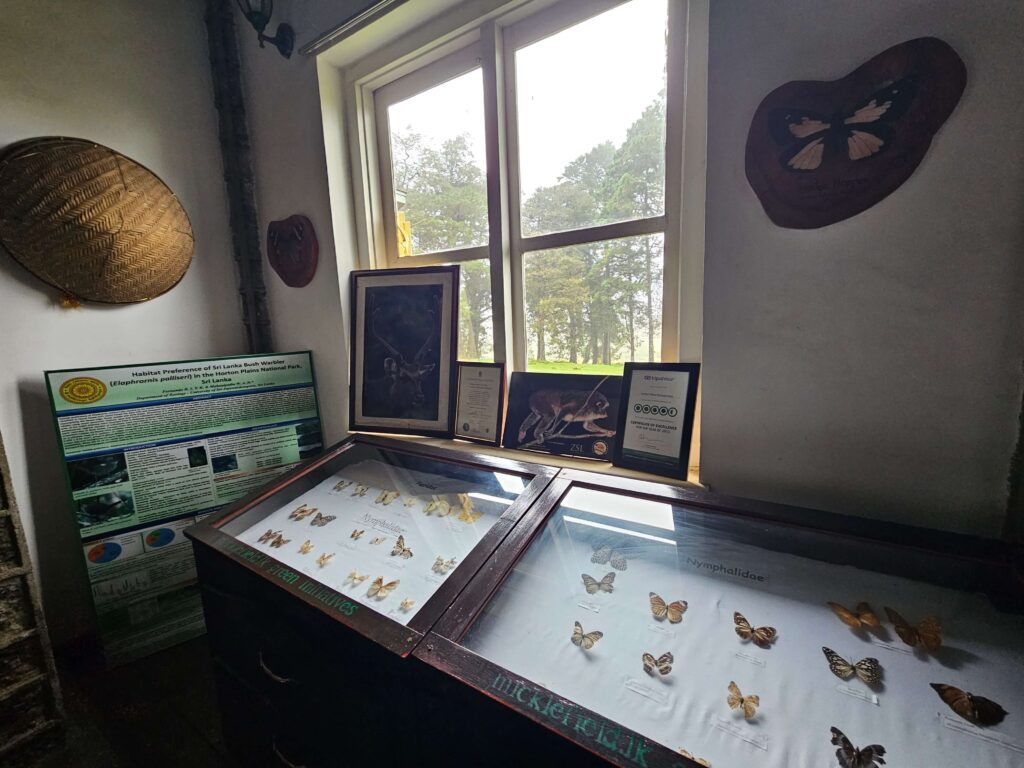
The displays highlight simple actions that every visitor can take, such as staying on designated trails, avoiding littering, keeping noise to a minimum, and respecting wildlife by observing animals from a safe distance.
There are also explanations of ongoing conservation initiatives undertaken by the Department of Wildlife Conservation to preserve this unique national park for future generations.
It’s a reminder that every visitor becomes a temporary guardian of Horton Plains. By following the park’s guidelines, each person helps ensure that its forests, grasslands, waterfalls, and wildlife remain just as spectacular for those who visit in the years to come.
By the time you step back outside, the landscape no longer feels like just another hiking destination. Instead, it becomes a living, interconnected ecosystem whose beauty is matched only by its ecological importance.
Why the Trail Map Is Worth a Look
It’s easy to underestimate the value of a simple trail map, especially when the route seems straightforward.
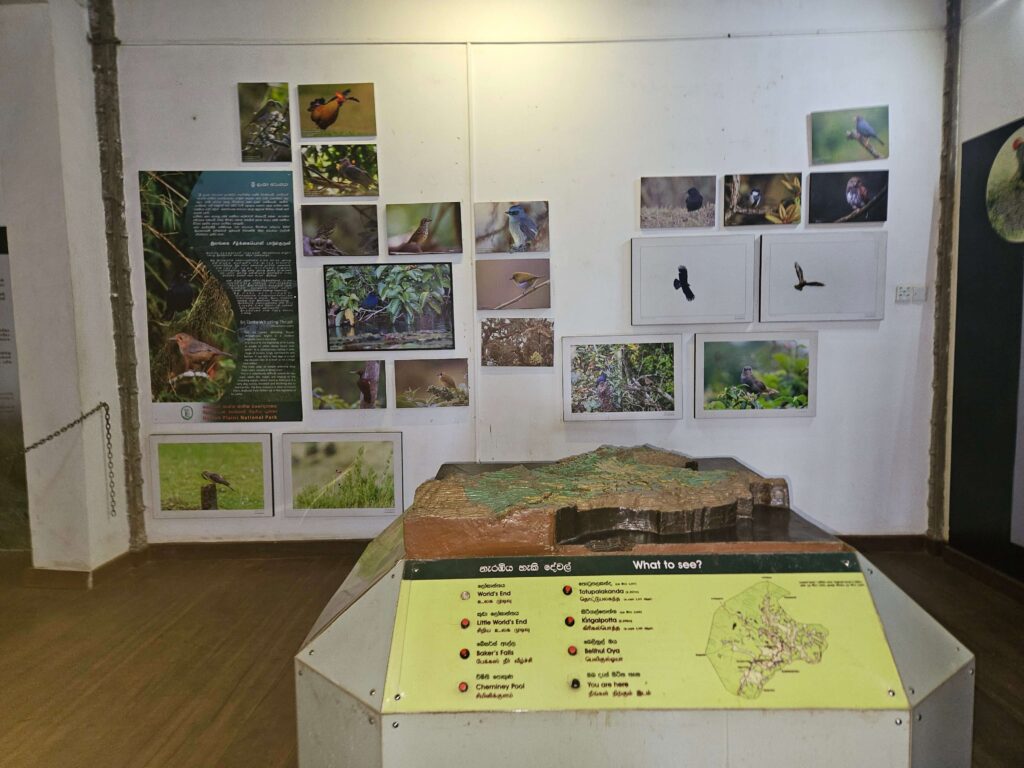
However, taking just a few moments to study the map inside the Visitor Center helps you understand how each attraction connects to the next. It also provides a sense of distance, allowing you to pace yourself throughout the hike.
More importantly, it transforms the walk from a series of random stops into a thoughtfully planned journey through one of Sri Lanka’s most remarkable national parks.
By the time you leave the Visitor Center, you’ll know exactly where you’re going, what you’ll see along the way, and why each section of the trail is unique. That knowledge makes every viewpoint, every forest path, and every wildlife encounter feel even more meaningful.
Don’t Forget to Visit the Souvenir Shop
Before leaving Horton Plains, take a few minutes to browse the small souvenir shop located beside the Visitor Center.

Although modest in size, it offers a selection of keepsakes inspired by Horton Plains and Sri Lanka’s wildlife. Depending on availability, visitors may find postcards, magnets, key chains, books, locally made handicrafts, T-shirts, caps, and other nature-themed souvenirs.
Purchasing a souvenir is more than just taking home a memory of your visit. It is also a wonderful way to support nature tourism and share the story of Horton Plains with family and friends.