
Horton Plains Wildlife Bungalows Booking: Ginihiriya & MahaEliya
Hidden within the heart of the central highlands, the Horton Plains Wildlife Bungalows offer an experience unlike any other. It`s a rare chance to live within Sri Lanka’s most enchanting national park , far removed from the bustle of nearby towns.
Wrapped in mist, carpeted with montane grasslands, and home to iconic wildlife, these bungalows let visitors immerse themselves in the quiet beauty of nature. For me, staying in one of these bungalows wasn’t just a visit; it felt like stepping back in time, where calm mornings and cool nights define life’s rhythm.
The Main Bungalows at Horton Plains
There are two wildlife bungalows within Horton Plains National Park: Ginihiriya (Anderson) Bungalow and Maha Eliya Bungalow. Each offers its own character and proximity to the park’s scenic highlights.
Ginihiriya Bungalow
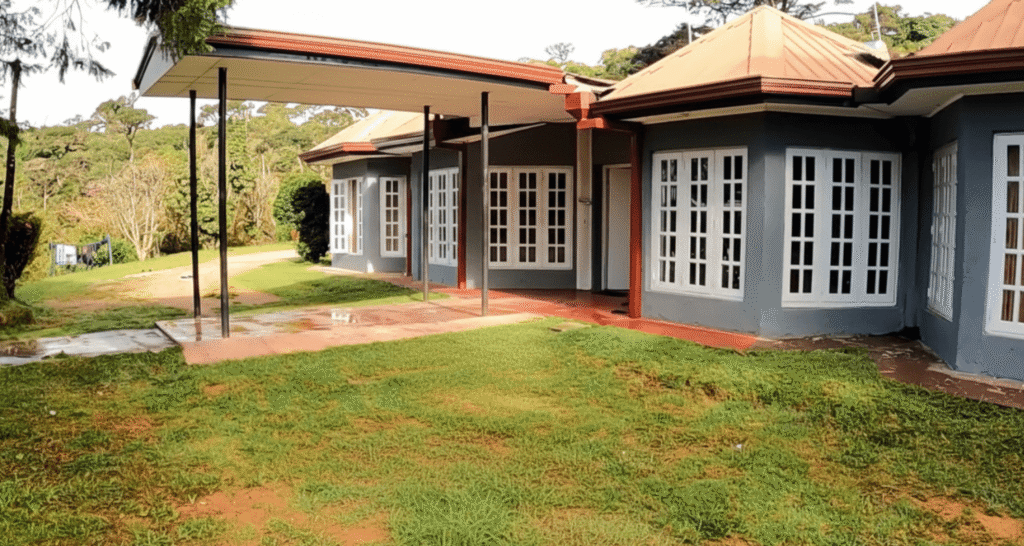
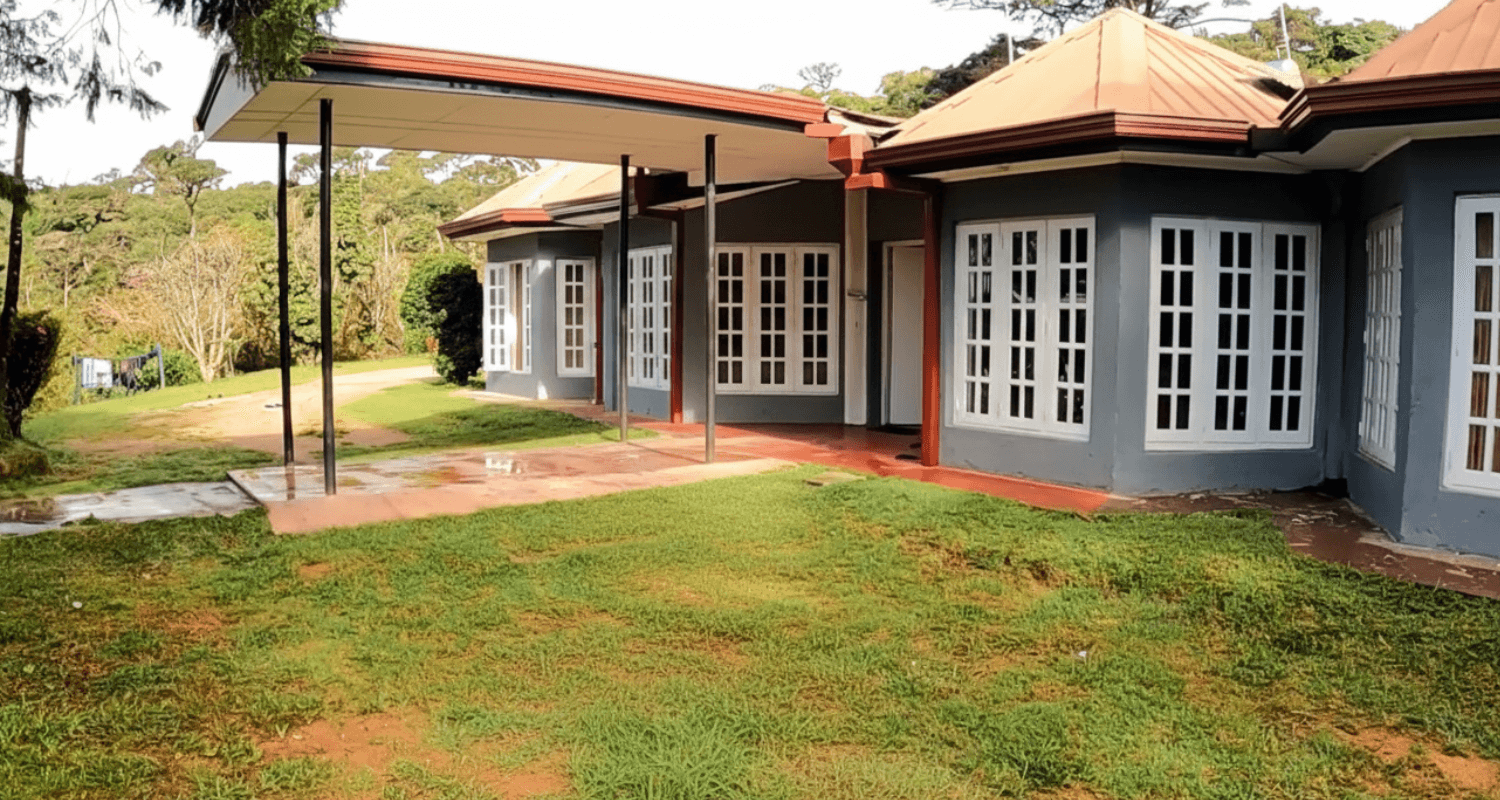
The Ginihiriya Bungalow, also known historically as the Anderson Bungalow, was named after a British surveyor who worked in the region during the colonial period. The name “Ginihiriya” was adopted later, inspired by the native Ginihiriya flowers that bloom abundantly around the area.
This bungalow located near to the Ohiya Entrance and exudes a sense of timelessness. The cozy stone-built structure maintain the rustic charm of old colonial rest houses while ensuring the basic comforts necessary for an overnight stay. It accommodates up to 10 guests, making it perfect for families or small groups seeking a peaceful escape in the heart of the plains.
Maha Eliya Bungalow
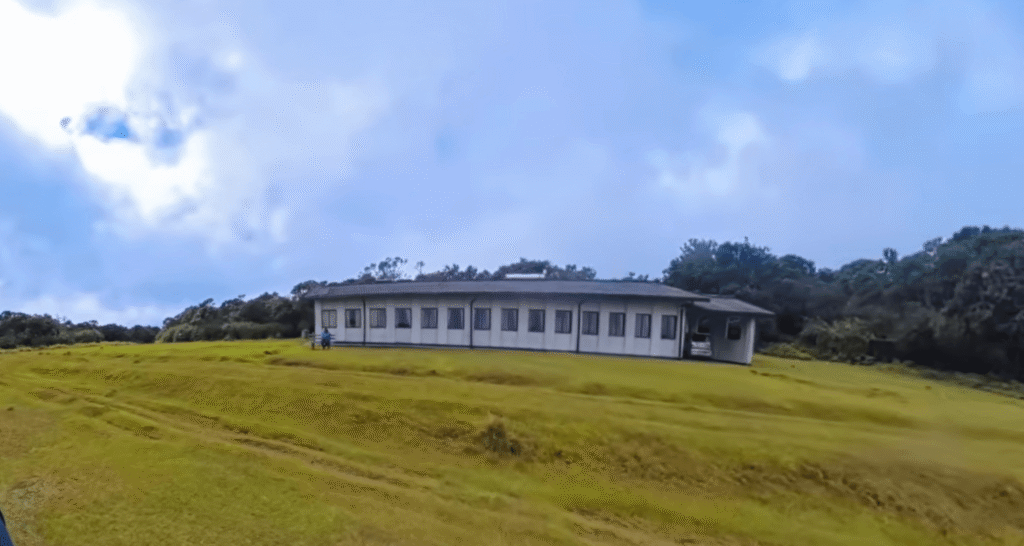
The Maha Eliya Bungalow, situated closer to the Pattipola Entrance of the park, is slightly larger and ideal for visitors who wish to explore the main trail to World’s End early in the morning. With a capacity of around 12 guests, it offers simple but comfortable lodging with essential amenities, a dining space, and the soothing quiet of wilderness just beyond the doorstep.
Facilities and Comforts
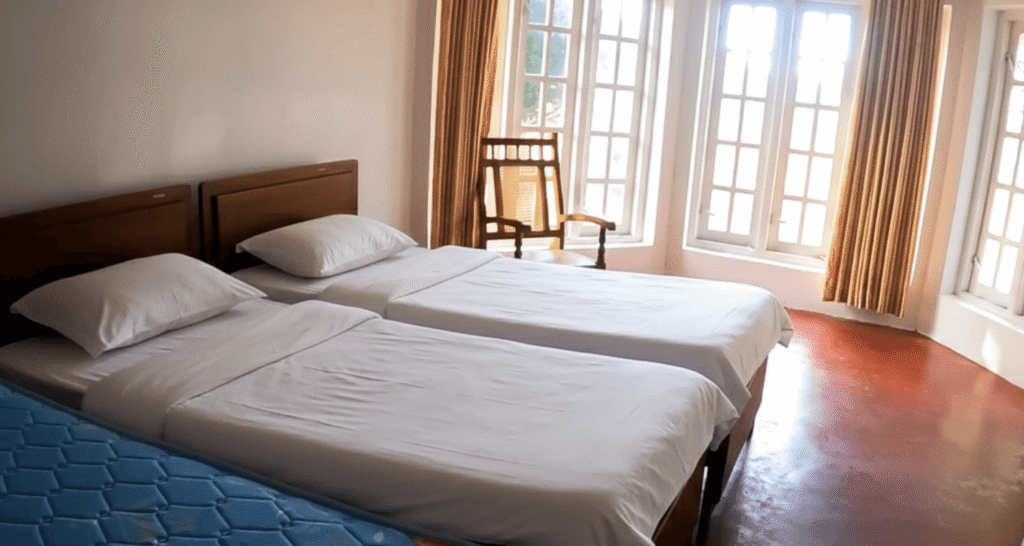
While modest in nature, the Horton Plains Wildlife Bungalows are designed to complement their natural surroundings. Both bungalows provide clean rooms, shared or attached bathrooms, fireplaces, basic cooking facilities, and generators for limited electricity.
Visitors are encouraged to bring their own groceries, as food supplies and restaurants are not available within the park premises.
Each bungalow is maintained by a caretaker appointed by the Department of Wildlife Conservation, who assists with cooking, water, and general upkeep. There’s no Wi-Fi or phone signal, but that’s precisely the beauty of it: a chance to disconnect completely and absorb the serenity of nature.
Booking Information and Process
Booking a Horton Plains Wildlife Bungalow can be done either online or in person through the Department of Wildlife Conservation. However, due to high demand and limited availability, early planning is strongly recommended.
Offline Booking – Raffle Draw
For many Sri Lankan travelers, the traditional way of securing a bungalow is through the raffle draw system held at the DWC Head Office in Battaramulla. It’s a first-come, first-served process with a touch of excitement.
Here’s how it unfolds:
- Arrive early — by 8:00 AM on the first working day of the month preceding your intended stay. (For instance, if you hope to stay in December, visit the office on the first working day of November.)
- At the entrance, security personnel will take your details and allow entry in small groups after 8:00 AM.
- Inside, you’ll receive an order number and a receipt — your ticket to the raffle draw.
- Based on your order number, you’ll be called to the booking counter, where you can select your preferred bungalow and dates.
It’s best to carry multiple date options, as availability is limited and competition can be intense. Only the person whose NIC (National Identity Card) was used for the booking is allowed to check in at the bungalow — so ensure that the reservation is made under your own name.
This in-person lottery system, while old-fashioned, gives a sense of fairness and transparency — and a bit of anticipation that adds to the adventure.
Online Booking
For those who prefer convenience, the Department of Wildlife Conservation now offers a streamlined online reservation system through its official website. It’s open to both locals and foreigners, though foreign visitors must make their booking through a local guide or registered travel agent.
Here’s the step-by-step process:
- Check Availability
- Use the portal’s real-time calendar to view available dates for your preferred bungalow.
- Days highlighted in yellow indicate pending parallel bookings — you can retry in 10 minutes if availability changes.
- Make Your Reservation
- Enter your NIC number, contact details, and the number of occupants.
- The system allows reservations for a maximum of three consecutive nights.
- Ensure you have no overlapping reservations under the same NIC or passport number.
- Proceed to Payment
- Payments must be completed within 10 minutes of proceeding to the payment stage.
- Accepted methods include Visa, MasterCard, or eZcash.
- A small convenience fee is added to the total amount.
- Confirmation and Printouts
- Once successful, a confirmation message will appear on-screen, followed by an email and SMS notification.
- You’ll receive a Reservation Reference Number — essential for checking your booking status.
- It’s mandatory to print the official permit and receipt before entering the park.
- For VAT reimbursements, use the original printout and get it certified by the park warden at the gate.
The DWC system allows booking only for the current and following month, so planning ahead is key. Rates differ for local and foreign visitors, reflecting the park’s maintenance and conservation costs.
If you face any difficulties, you can call the DWC hotline (1919) for guidance or updates on your reservation status.
Rules, Terms, and Conditions
Before booking a Horton Plains Wildlife Bungalow, it’s important to understand that these stays are not just accommodations—they are part of a protected national park ecosystem. Staying within Horton Plains means adhering to conservation-focused regulations designed to preserve its fragile environment and ensure a serene experience for every visitor.
First and foremost, guests are required to obtain a valid park entry permit in addition to the bungalow reservation. Entry is permitted only between 6:00 a.m. and 6:00 p.m., and all visitors must register at the Pattipola or Ohiya park entrance. Late entry is not allowed, as the park maintains strict wildlife protection hours.
Inside the bungalows, plastic use is minimized, and single-use polythene is strictly prohibited. Guests are encouraged to bring reusable bottles and eco-friendly packaging. Cooking facilities are available, but guests must bring their own supplies and handle waste responsibly. The bungalow caretaker assists with firewood and water, though guests are expected to maintain cleanliness throughout their stay.
Quiet hours are observed after nightfall to respect the park’s nocturnal wildlife. Generators and loudspeakers are not permitted, and campfires are allowed only in designated areas under caretaker supervision. Any form of feeding wildlife is strictly banned.
For cancellations, refunds are subject to Department of Wildlife Conservation (DWC) policies, typically requiring at least two weeks’ notice before the reservation date. Rescheduling or transferring bookings to another person is not allowed unless approved by DWC headquarters.
Visitors must also carry valid identification upon check-in. Alcohol consumption, hunting, or collection of flora and fauna is strictly prohibited within the park. Violations may lead to eviction or fines under Sri Lanka’s Wildlife Conservation Act.
These rules ensure that the experience remains authentic and ecologically responsible—allowing guests to immerse themselves in the tranquility of Horton Plains while respecting its natural sanctity.
Why & When to Stay Inside Horton Plains
The best time to stay at a Horton Plains Wildlife Bungalow is during the dry months from January to March and again from July to September. During these periods, the skies are often clear, and the grasslands shimmer under the morning light — offering breathtaking views of World’s End and the mist-covered valleys below. Early mornings and late evenings bring crisp air and golden hues, ideal for photography, wildlife spotting, and peaceful nature walks.
Staying inside the park, rather than in nearby Nuwara Eliya or Ohiya, transforms the experience entirely. When you reside in a Horton Plains Wildlife Bungalow, you awaken to the whisper of the wind through montane forests, not the hum of passing vehicles. At dawn, sambars graze near your doorstep, and the call of the Sri Lanka whistling thrush replaces the sound of city life. It’s a rare kind of silence — ancient, grounding, and deeply rejuvenating.
The proximity of these bungalows to the main trail allows you to start your Horton Plains Nature Trail hike before the crowds arrive, giving you a serene head start to explore Baker’s Falls and World’s End in solitude. (If you haven’t explored the trail yet, here’s a complete travel guide to the Horton Plains Nature Trail for detailed insights.)
Choosing to stay in these heritage bungalows also supports conservation efforts, as the revenue directly aids the Department of Wildlife Conservation in maintaining park infrastructure and protecting its biodiversity. It’s a chance to contribute to sustainability while indulging in an unforgettable highland escape.
For travelers seeking authentic stays near Horton Plains but outside the park, you can explore other comfortable lodging options on Visit Horton Plains Hotels & Stays — a curated list of nearby eco-lodges and guesthouses that complement your park adventure.